

A hotel room in Curaçao, Aruba or Suriname has a harder life than one in Europe. Strong sun, high humidity, salty sea air and air conditioning that runs all day all take their toll. The right materials make the difference between an interior that still looks fresh after five years and one that needs replacing after two.
What the climate does to an interior
- UV light fades fabrics, wood and plastics, especially near windows and on terraces
- High humidity causes swelling, warping and mould in wood-based boards and upholstery
- Salty sea air corrodes ordinary steel, fittings and hinges, even indoors near the coast
- Air conditioning creates big temperature differences between inside and outside, which can lead to condensation
Fabrics and upholstery
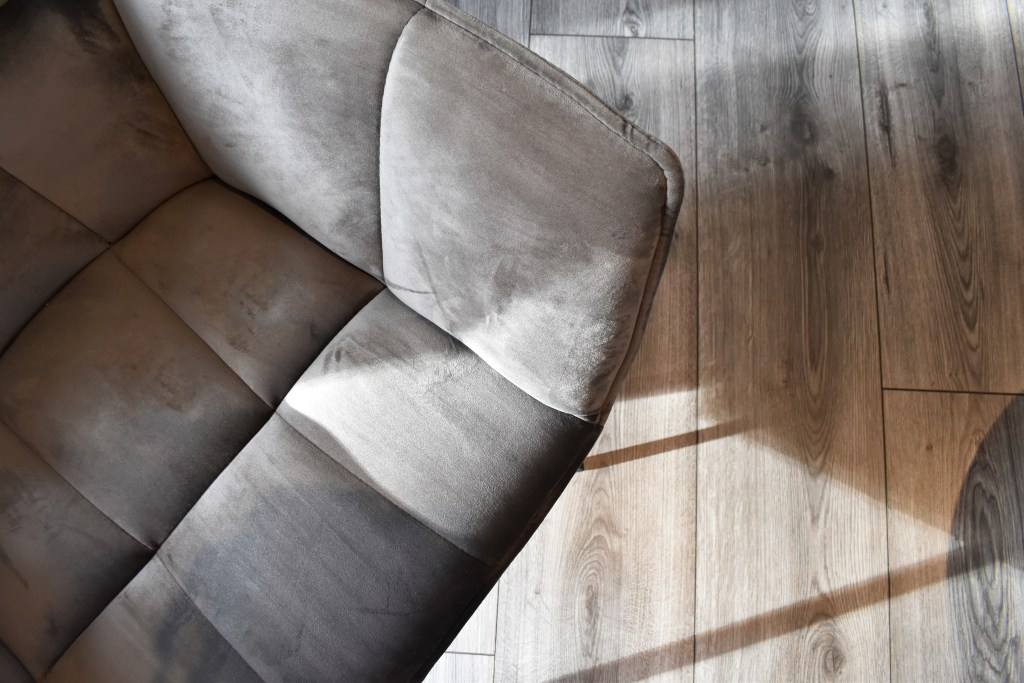
Choose solution-dyed fabrics for anything exposed to daylight: the colour runs through the fibre, so it fades much less. For hospitality use, look at abrasion resistance as well; a high Martindale rating means the fabric can handle intensive daily use. Removable, washable covers on cushions and chairs make maintenance easier and extend the life of the furniture.
Wood, boards and cabinetry
Standard MDF and chipboard absorb moisture and swell. For wardrobes, headboards and bathroom furniture, moisture-resistant boards, HPL finishes or plywood are a better choice. Solid hardwoods such as teak cope well with humidity, provided they are properly dried and finished. Leave space for ventilation behind cabinets against outside walls to prevent mould.
Metal and outdoor furniture
Near the sea, choose powder-coated aluminium or high-grade stainless steel (such as 316) for frames, fittings and hardware. Outdoor and pool furniture should have quick-drying foam and UV-resistant outdoor fabrics, so cushions dry fast after a tropical shower.
Outdoor and pool furniture for hotels in Curaçao
Floors, window treatments and lighting
- Floors: tiles and good-quality vinyl floors cope better with humidity than laminate or solid parquet
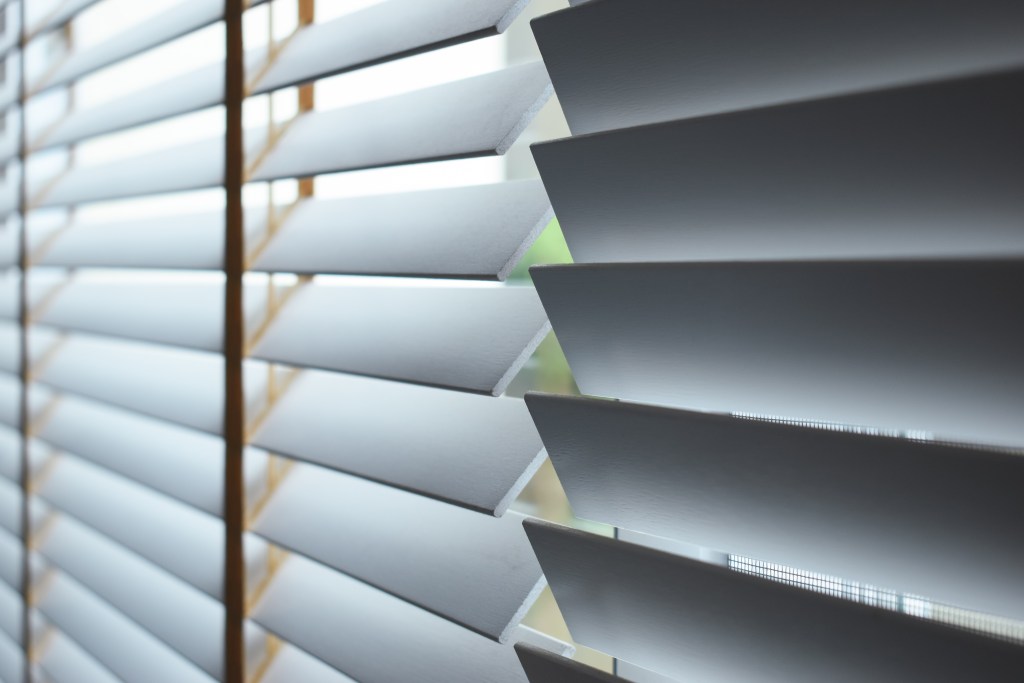
- Window treatments: sunscreen roller blinds keep out heat and glare while keeping the view; blackout curtains help guests sleep
- Lighting: use fixtures with the right IP rating outdoors and in bathrooms, and corrosion-resistant finishes near the coast
Plan for maintenance and replacement
Even the best materials need care. Choose standard sizes and fabrics that can be reordered, keep a small stock of spare covers, cushions and fittings on site, and agree on a simple maintenance schedule with your housekeeping team. That way, a damaged chair or curtain doesn’t keep a room out of service for weeks.
Frequently asked questions
Which fabric is best for a hotel in the Caribbean?
Solution-dyed, UV-resistant fabrics with a high abrasion rating are the safest choice. They keep their colour in strong sunlight and stand up to intensive use. For outdoor areas, use dedicated outdoor fabrics that dry quickly.
Can I use the same furniture as in a European hotel?
Partly. Many designs work well, but the materials often need adjusting: moisture-resistant boards instead of standard MDF, corrosion-resistant fittings and fabrics that won’t fade. We take this into account when we put together the product selection.
How do you prevent mould in hotel rooms?
Good ventilation, breathable materials and moisture-resistant boards are key. Avoid placing cabinets tight against cold outside walls and keep air conditioning and dehumidification working properly.
Planning a hotel or resort in the Caribbean? We help you choose materials that suit the climate, from the first mood board to installation on location.
Leave a Reply